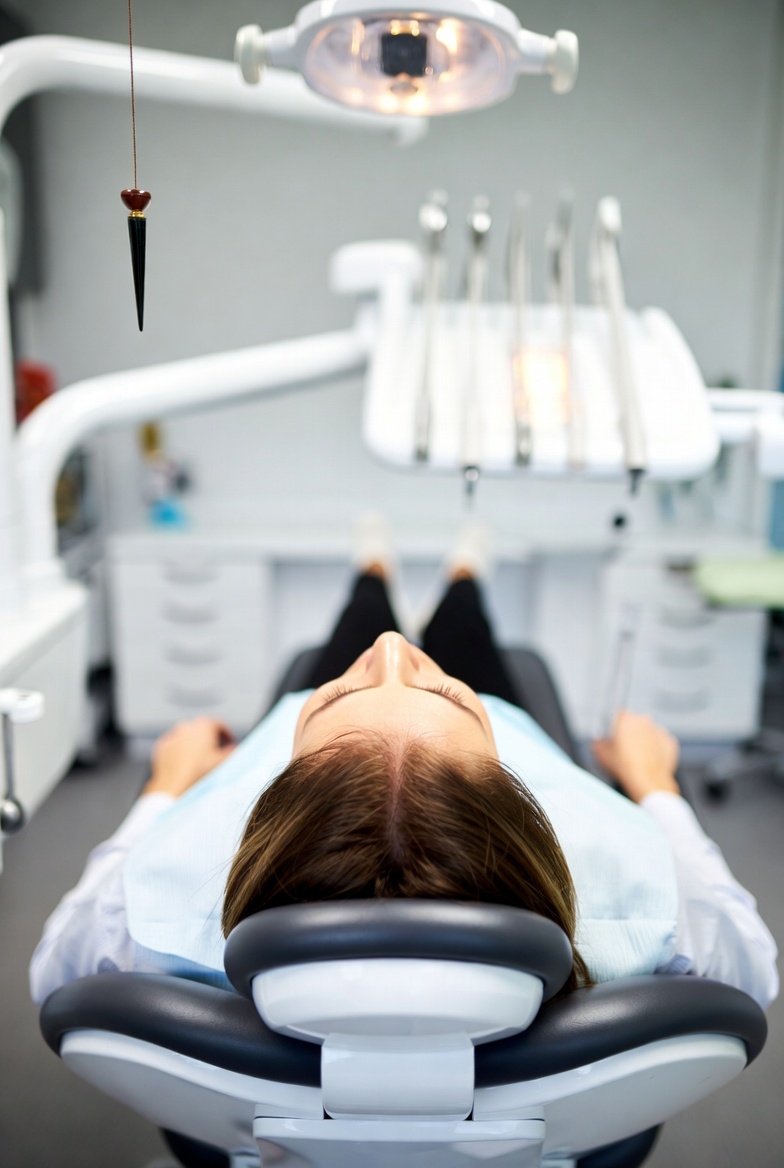
HypnoDontics – Using Hypnosis for Dental Anxiety and Pain Control
For many, the thought of a dental appointment triggers a wave of anxiety. The sounds, the smells, and the fear of pain can be overwhelming, leading people to avoid essential care entirely. But what if there was a powerful, drug-free tool to transform the dental experience for both patients and practitioners? That tool is HypnoDontics.
For many, the thought of a dental appointment triggers a wave of anxiety. The sounds, the smells, and the fear of pain can be overwhelming, leading people to avoid essential care entirely. But what if there was a powerful, drug-free tool to transform the dental experience for both patients and practitioners? That tool is HypnoDontics.
This comprehensive guide explores the world of HypnoDontics—a specialized field that applies clinical hypnosis techniques within dentistry. We’ll delve into its rich history, its profound applications beyond simple pain control, and how it serves as a bridge to better oral and emotional health.
What is HypnoDontics? More Than Just Pain Control
While most associate hypnosis in dentistry with pain management, its scope is vastly broader. As outlined in the pioneering work of Beryl Comar, author of “HypnoDontics: A Manual for Dentists and Hypnotists,” HypnoDontics is a multifaceted practice. It successfully treats:
Dental Anxiety, Phobias, and Fear: From mild nervousness to severe phobia that prevents care.
Unwanted Oral Habits: Such as bruxism (teeth grinding), thumb sucking, and tongue thrusting.
Behavioral Support: Encouraging positive oral hygiene habits, acclimating to orthodontic appliances, and supporting dietary changes for better oral health.
Healing & Comfort: Accelerating post-procedure healing and maintaining patient comfort during long treatments.
In essence, HypnoDontics addresses the root cause of dental distress—often subconscious anxiety and learned fear—to create a calmer, more cooperative, and positive experience.
From Barber Surgeons to Hypnoanesthesia
The journey of dental care is a stark contrast to the comfort-focused approach of HypnoDontics. Historically, dentistry was often a painful ordeal. Before modern anesthetics, patients were sometimes held down, knocked unconscious, or given strong spirits.
The formal use of hypnotic principles in dentistry dates back to at least 1836, when Dr. Jean-Victor Oudet of Paris performed a tooth extraction using hypnoanesthesia. The mid-20th century saw pioneers like Dave Elman formally teaching hypnosis to doctors and dentists, documenting successes with bruxism, gagging, and pain control. This established hypnosis as a credible, clinical adjunct to dental science.
Understanding and Measuring Dental Anxiety
Dental fear exists on a spectrum:
Dental Anxiety: Common nervousness about an unknown procedure.
Dental Fear: A fight-or-flight response to a perceived threat.
Dental Phobia: A debilitating, irrational fear that leads to complete avoidance of care.
This anxiety can be measured using a Subjective Unit of Discomfort (SUDs) scale (1-10), a tool hypnotists use to track progress across sessions. The consequences of untreated dental phobia are significant, potentially leading to poor oral health, low self-esteem, social avoidance, and even concurrent psychiatric disorders like generalized anxiety or depression.
How Hypnotists and Dentists Can Work Together: A Synergistic Partnership
The HypnoDontics model presents a powerful partnership:
1. Helping the Patient: A certified HypnoDontics practitioner can work with patients before their dental appointment. Through techniques like regression and suggestion, they can:
Identify and reframe the root cause of a dental phobia (e.g., a past traumatic experience).
Teach patients self-hypnosis for pain and anxiety management in the chair.
Install positive beliefs about dental care and oral health.
2. Supporting the Dentist: Dentists face immense stress, with studies showing high rates of burnout, cardiovascular issues, and emotional strain. A hypnotist can:
Offer stress-management techniques for the dental team.
Help manage chair-side anxiety, making procedures smoother and faster.
Effectively act as a patient-preparation specialist, ensuring patients are calm, cooperative, and ready for treatment, thereby making the dentist’s work easier and more efficient.
Redefining Dental Care
HypnoDontics represents a compassionate, holistic revolution in oral healthcare. It moves beyond merely treating symptoms (fear, pain) to resolving their underlying emotional causes. For patients, it offers the promise of pain-free, anxiety-free dental care. For dentists, it provides a tool to reduce stress, improve patient outcomes, and build a more fulfilling practice. It’s not just about a better dental visit—it’s about fostering lasting oral health and emotional well-being.
Start your transformation Today
Ready to Reclaim Your Peace and Vitality?
You don't have to live with anxiety, exhaustion, or self-doubt. You deserve to feel calm, confident, and in control as nature intended. Let's explore how Solas Hypnotherapy and RTT can help you achieve the transformation you're looking for.
Get insight into the root cause of your struggle.
Have your questions about Hypnotherapy and RTT answered.
Walk away with a clear plan for your next steps towards vitality, with zero pressure to book.
To provide the best experiences, we use technologies like cookies to store and/or access device information. Consenting to these technologies will allow us to process data such as browsing behaviour or unique IDs on this site. Not consenting or withdrawing consent, may adversely affect certain features and functions.
Functional
Always active
The technical storage or access is strictly necessary for the legitimate purpose of enabling the use of a specific service explicitly requested by the subscriber or user, or for the sole purpose of carrying out the transmission of a communication over an electronic communications network.
Preferences
The technical storage or access is necessary for the legitimate purpose of storing preferences that are not requested by the subscriber or user.
Statistics
The technical storage or access that is used exclusively for statistical purposes.The technical storage or access that is used exclusively for anonymous statistical purposes. Without a subpoena, voluntary compliance on the part of your Internet Service Provider, or additional records from a third party, information stored or retrieved for this purpose alone cannot usually be used to identify you.
Marketing
The technical storage or access is required to create user profiles to send advertising, or to track the user on a website or across several websites for similar marketing purposes.